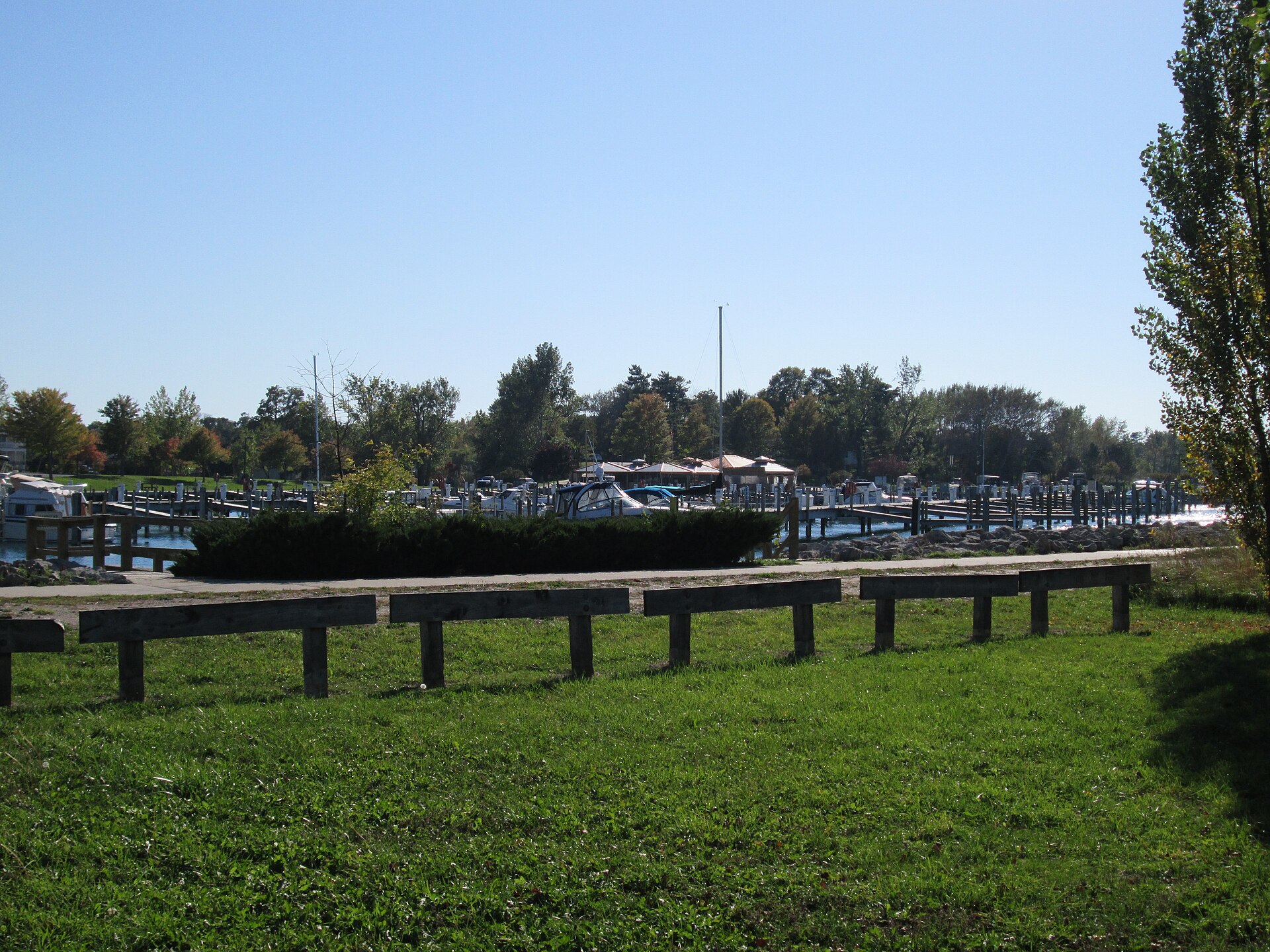
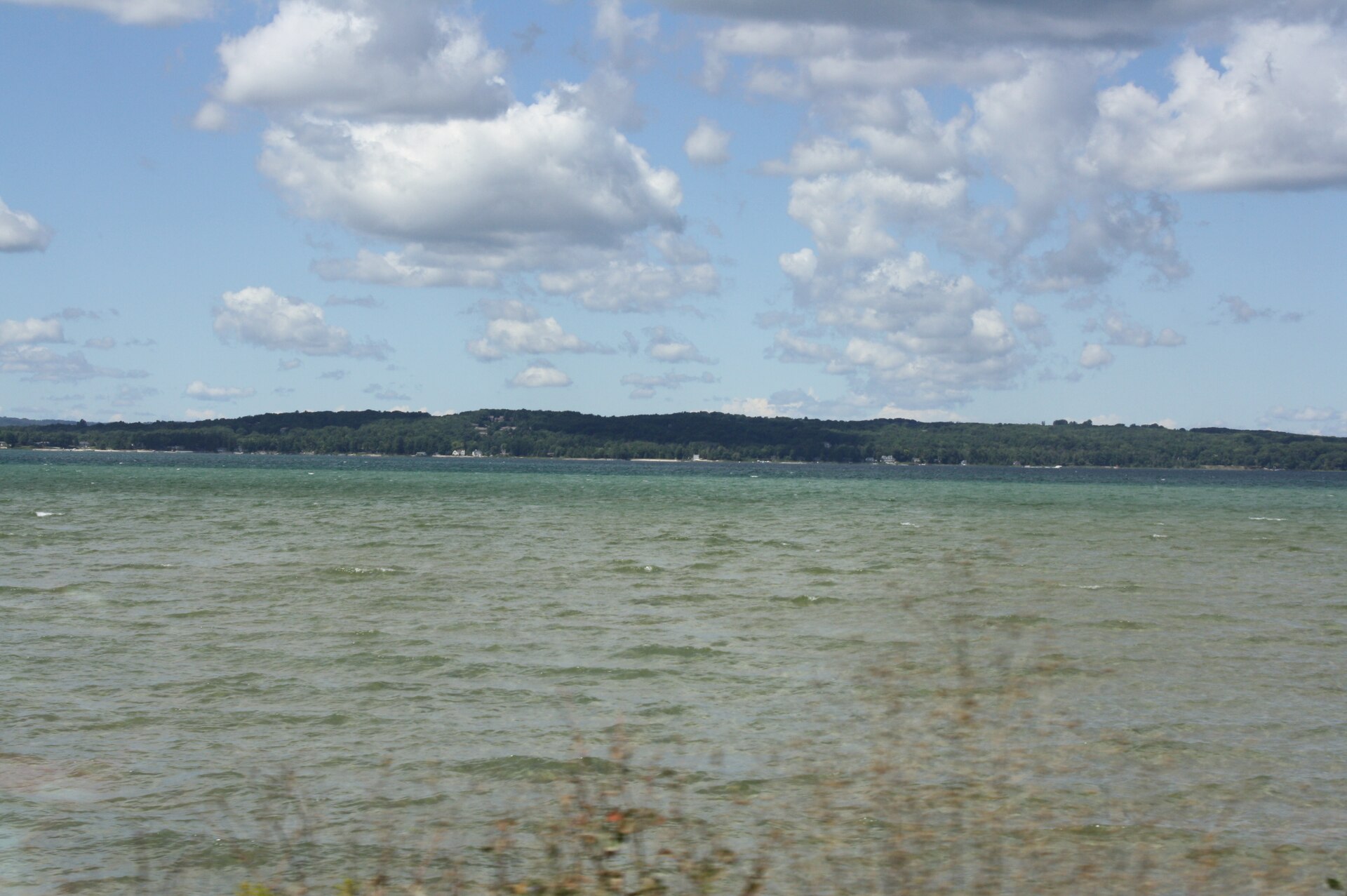
Elk Rapids occupies a small peninsula where the Elk River empties into Grand Traverse Bay, a genuinely picturesque setting that has attracted human settlement for thousands of years before the town's founder stumbled onto the discarded elk antlers that would eventually give the place its permanent name. Founded by Abram Wadsworth in 1846 and originally platted under the considerably less memorable name Stevens, the town's industrial rise and fall through the nineteenth and early twentieth centuries mirrors dozens of other Michigan lumber and iron towns, but its more recent reinvention as a quietly upscale harbor community has left it in noticeably better shape than many of its industrial-era peers.
From Stevens to Elk Rapids
Native American communities used the area surrounding the Elk River's mouth as hunting and fishing grounds for centuries before Abram Wadsworth settled along its banks in 1846, and Wadsworth's original 1852 plat called the settlement simply Stevens, a name that lasted only until 1858, when Wadsworth himself changed it to Elk Rapids after discovering a set of elk antlers near the river's mouth, apparently deciding the discovery made for a considerably more evocative civic identity than his original choice. The renamed town grew steadily enough over the following decades to become the seat of Antrim County, and by the turn of the twentieth century it supported a genuinely diverse commercial district lining River Street, complete with shops, hotels, and the kind of bustling small-town energy typical of a community riding an industrial boom.
That boom centered on the Elk Rapids Iron Works, established in the 1870s on the town's east side, which anchored an industrial base that eventually grew to include a cement plant, a chemical plant, and rail service connecting Elk Rapids to the broader Chicago and West Michigan Railroad network, supporting a population that approached two thousand residents at the industry's peak.
Iron Works to Idyllic Harbor
The Iron Works and its associated industries had all ceased operation by 1916, leaving Elk Rapids economically depressed for several decades afterward, a stretch of decline that persisted until the 1950s, when the construction of US 31 through the area suddenly made the town considerably more accessible to the tourism traffic beginning to flow through northern Michigan. That new highway access kicked off a slow but sustained transformation from industrial has-been to genuine tourist destination, a shift that has only accelerated in recent decades as Grand Traverse Bay's broader appeal as a recreation and vacation-home destination has grown.
Today's Elk Rapids trades on precisely the qualities its industrial past would have considered irrelevant: a genuinely scenic harbor, a walkable small downtown considerably quieter than nearby Traverse City's more heavily commercialized waterfront, and a public beach and marina that draw boaters up the bay from the busier harbors further south. The Iron Works site itself has been repurposed into parkland, a fitting conversion for a town whose defining industry left behind considerably more scenic real estate than economic wreckage.